
Ice Dams & Roof Damage: What Homeowners in Stamford, Greenwich & New Rochelle Need to Know
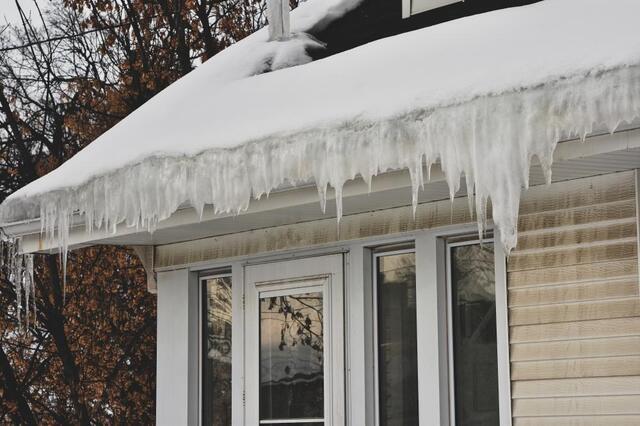
What Is an Ice Dam?
An ice dam is a ridge of ice that forms along the lower edge of a roof, typically where the roof meets gutters or eaves. They happen when:
-
Snow accumulates on your roof.
-
Warm air escapes into the attic and melts snow higher up.
-
Meltwater runs down the roof and refreezes at the colder edge.
This creates a dam that traps more water behind it.
When water can’t drain properly, it can back up under shingles and eventually leak into ceilings, walls, floors, and even insulation. That’s how a sunny winter weekend can turn into an expensive repair.
ðŸšï¸ Why Ice Dams Are a Big Deal in CT & NY
Homes in Stamford, Greenwich, and New Rochelle face a “perfect storm” of conditions that encourage ice damming:
-
Connecticut and New York winters bring repeated freeze–thaw cycles, melt by day, freeze by night, which build up ice quickly.
-
Coastal winds and heavy, wet snow weigh down roofs and accelerate melt.
-
Older homes may have insufficient insulation or attic ventilation, letting heat escape and melting snow unevenly.
The combination of these factors makes it essential for homeowners to understand and prepare before ice dams become a problem.
🚨 Common Signs You May Have Ice Dam Damage
Watch for:
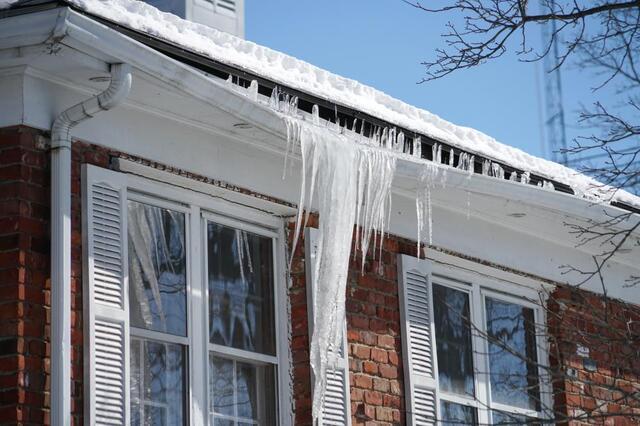
âœ”ï¸ Icicles hanging along the roof edges
âœ”ï¸ Water stains on ceilings or walls
âœ”ï¸ Damp attic insulation
âœ”ï¸ Peeling paint or warped materials near interior walls
âœ”ï¸ Chunky ice buildup in gutters
These are all red flags that water may be getting behind the roofing materials.
ðŸ› ï¸ How to Prevent Ice Dams
â„ï¸ 1. Improve Attic Insulation
A well-insulated attic holds heat inside your living space and prevents snow from melting and refreezing on the roof.
ðŸŒ¬ï¸ 2. Boost Ventilation
Good air flow from soffits up to ridge vents helps keep your roof at the same temperature as the outside air.
🧱 3. Seal Air Leaks
Gaps around lights, chimneys, plumbing stacks, and attic hatches can leak warm air into attic spaces. Sealing them reduces uneven melting.
🪜 4. Roof Snow Removal
Using a long-handled roof rake to remove snow within 24 hours of a storm helps prevent the conditions that cause ice dams, but always prioritize safety.
🔌 5. Ice Barriers & Heat Cables
Install an ice and water shield membrane under shingles along eaves and valleys. Some homeowners also install heat cables to keep water flowing freely off the roof.
🧰 What to Do If You Already Have Ice Dams
If an ice dam is already trapping water and causing leaks:
✔ Call an Experienced Roofing Professional
Trying to remove heavy ice yourself can damage shingles or cause injury. Safety should come first, especially on steep or slippery roofs.
✔ Check for Interior Water Damage
Water backed up under shingles can stain ceilings, warp walls, and even promote mold growth. Treat these issues sooner rather than later.
✔ Ask About Ice Removal Services
Contractors like Double R A Construction Corp offer ice dam removal and roof damage repair for homeowners in Stamford, Greenwich, New Rochelle, and nearby areas, plus free estimates.
🧠Planning for Next Winter
Prevention is the most cost-effective strategy. By improving insulation, ventilation, and roof membranes now, instead of waiting for the next snowstorm, you can protect your roof and your home’s interior through future winters.
ðŸŒ¨ï¸ In Summary
Ice dams may look harmless, but they’re a serious threat to roofs in Stamford, Greenwich, and New Rochelle. They form when heat leaks into the attic melt snow, and that meltwater refreezes at the colder roof edge, backing up water under shingles and into your home.
With the right insulation, ventilation, and preventative care, you can dramatically reduce your risk of costly water damage, and when problems do occur, calling a professional roofing team early can make all the difference.